When it comes to our furry friends, keeping an eye on their health is a top priority. One tool that’s becoming a must-have for pet owners is a temperature monitor. But with so many options out there, how do you pick the right one for your pet? Here are some simple tips to help you make that choice.
First off, think about your pet’s size and species. Larger pets might require a different type of monitor than smaller ones. If you have a dog or cat, look for monitors designed specifically for them. Some products are even tailored for specific breeds, so do your research to find one that fits your pet’s needs.
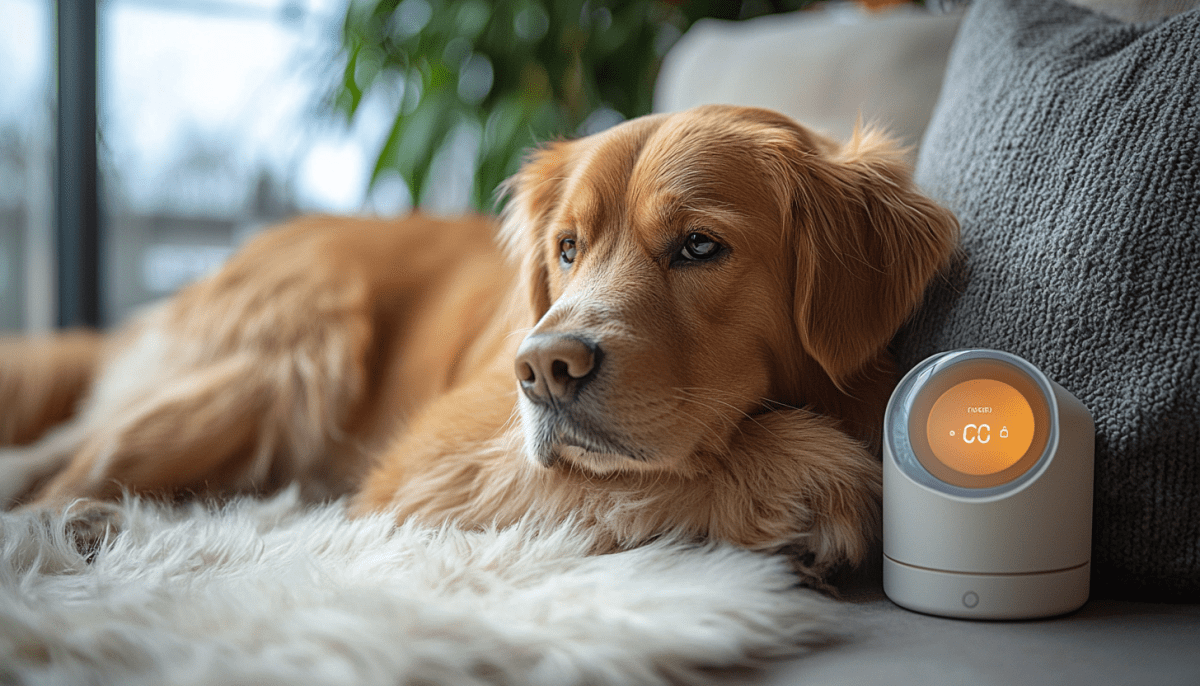
Next, consider the features that matter most to you. Some temperature monitors offer quick readings, while others provide continuous tracking. If you're worried about sudden changes in your pet's health, a continuous monitor might be the best bet. Look for features like alerts on your phone or easy-to-read displays, making it simple to check in on your pet’s wellbeing.
Don’t forget about ease of use! The last thing you want is a complicated device that adds stress to your routine. Look for monitors that are straightforward to set up and operate. Customer reviews can be a great resource here — they often share real-life experiences about ease of use and reliability.
Finally, think about price and warranty. You don’t have to break the bank to find a good monitor, but investing a little more can pay off in durability and functionality. A solid warranty can also give you peace of mind, so you know you’re covered in case anything goes wrong.
How Temperature Monitors Work for Pets
Temperature monitors for pets are designed to keep a close eye on your furry friend's health by tracking their body temperature. These devices can be super helpful, especially when you notice signs of distress or illness. So, how do they actually work? Let’s break it down.
Most temperature monitors come with a small sensor that detects body heat. You can find two common types: rectal thermometers and non-contact options. Rectal thermometers are often seen as the most accurate. You simply insert the thermometer gently, and it gives you a reading in just a few seconds. Non-contact thermometers, on the other hand, measure temperature from a distance, like a forehead scan, which can be less stressful for your pet.
After you take a temperature reading, it’s displayed on a digital screen, making it easy to read. Normal temperatures for dogs and cats typically range from 100.5°F to 102.5°F, so if your pet’s temp is outside this range, it might be time to consult your vet.
Many modern pet temperature monitors are also quite tech-savvy. Some can connect to your smartphone, allowing you to track temperature history and get alerts if anything seems off. This feature is handy for pet parents who want to keep a close watch on their pet’s health, especially when they’re sick or recovering from surgery.
Whether you're a new pet owner or have had pets for years, having a temperature monitor can give you peace of mind. It’s a straightforward way to stay proactive about your pet's health and catch any potential issues early on.
Benefits of Using a Temperature Monitor
Using a temperature monitor for your pet can be a game changer when it comes to keeping them healthy and safe. These handy devices help you keep tabs on your furry friend’s temperature without any hassle. Whether you're a pet owner or a veterinarian, having this tool can make a big difference.
First off, a temperature monitor helps you quickly detect any changes in your pet's health. Pets can’t tell us when they're not feeling well, but a sudden spike or drop in temperature can be a sign that something’s wrong. Catching these changes early can lead to faster interventions and better outcomes.
Another big plus is the peace of mind it brings. When you have a device that alerts you to your pet’s temperature, you can relax a bit more, especially during colder months or extreme weather. Knowing their temperature can give you confidence that they're cozy and safe, whether they’re curled up inside or outside exploring.
Some temperature monitors even do more than just read temperatures. Many come with smart features like alerts sent straight to your phone or connectivity with other devices. This means you're always in the loop, wherever you are! It's like having a personal pet health assistant right in your pocket.
Lastly, using a temperature monitor can be a huge benefit for senior pets or those with chronic health issues. Regularly checking their temperature can help you manage their care more effectively and keep track of any potential issues before they escalate. It’s all about keeping your furry family members happy and healthy!
Tips for Accurate Temperature Readings
Getting accurate temperature readings for your furry friends is super important, and it can be a little tricky at times. Here are some helpful tips to ensure you’re getting the best results from your pet temperature monitor.
1. Choose the Right Time: Timing can make a big difference! The best time to take your pet’s temperature is when they’re calm and relaxed. Avoid doing it right after playing or during stressful situations like vet visits, as this could affect the readings.
2. Know the Right Spot: Different monitors have different methods for taking temperatures. Whether you’re using an ear, rectal, or forehead thermometer, make sure you’re following the instructions for that specific type. Most dog and cat owners find rectal readings to be the most reliable, but just make sure your pet is comfortable with it.
3. Keep it Clean: Make sure to clean the thermometer before and after use. This not only keeps it hygienic but also ensures that nothing interferes with the reading. For rectal thermometers, you can use a bit of lubricant to make it more comfortable for your pet.
4. Take Multiple Readings: Pets can be wiggly, and it’s totally okay to take a few readings to get the most accurate one. Try to wait a minute or two between each measurement to allow the thermometer to recalibrate and to give your pet a breather.
Remember, patience is key! By following these steps, you'll feel more confident taking your pet's temperature and keeping track of their health.